














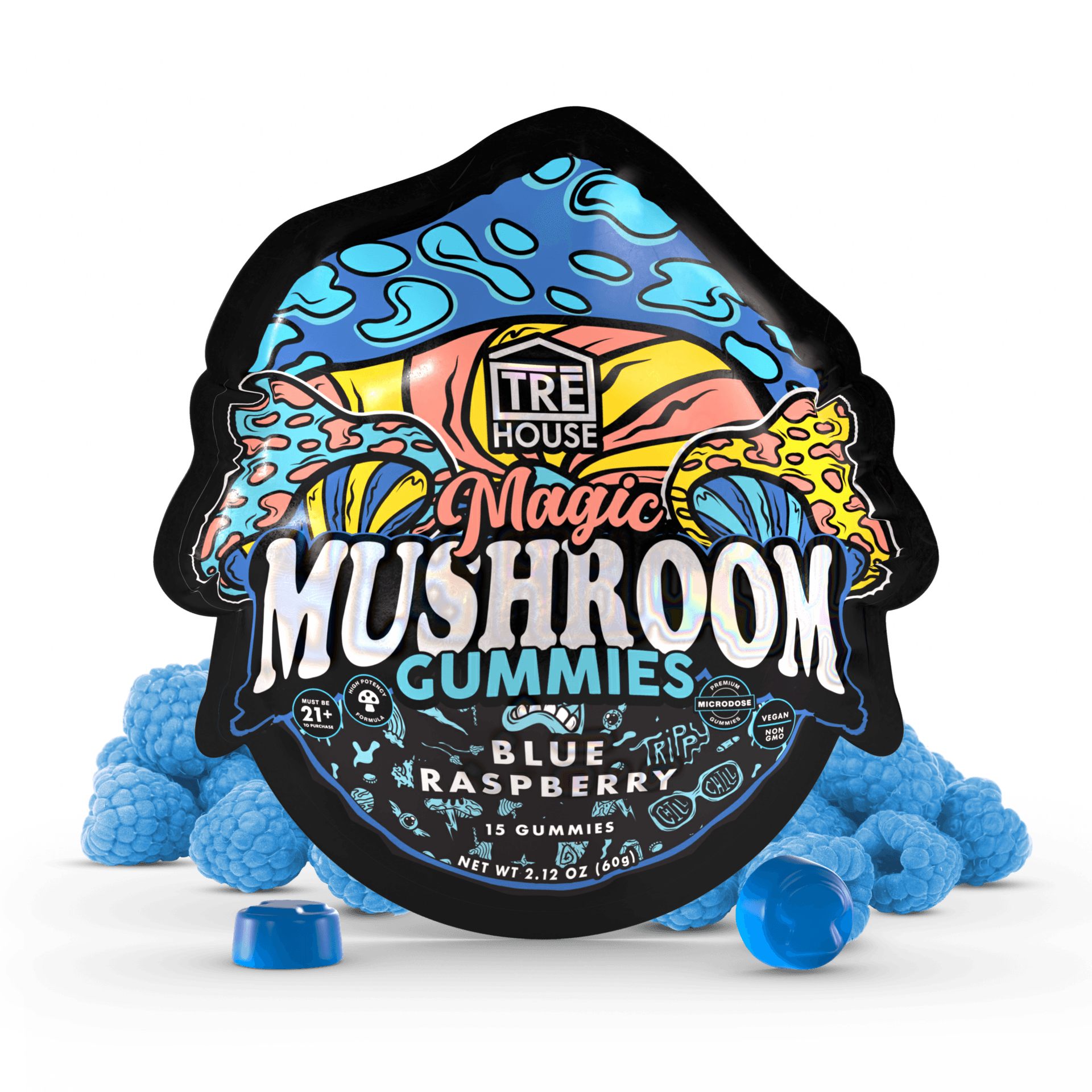
You’ve probably noticed them sitting beside CBD oils and neon vapes at your local smoke shop: brightly packaged magic mushroom gummies promising a trippy experience. Seeing them openly on retail shelves, buyers naturally assume these products pass standard health inspections. Yet, consumer watchdogs caution that this exploding market actually operates inside a massive regulatory gap.
Navigating modern mushroom edibles feels much like drinking an energy beverage made from a secret “proprietary blend.” You expect a buzz, but the actual chemical makeup remains a complete mystery. According to independent laboratory testing, brands rarely disclose whether they use natural fungal extracts or synthetic lab-made shortcuts to mimic psilocybin. This alarming lack of transparency forces buyers to ask: are legal mushroom gummies safe, or just an unregulated chemistry experiment?
Is It Amanita or Psilocybin? Identifying the Legal ‘Cousins’ in Your Gummy
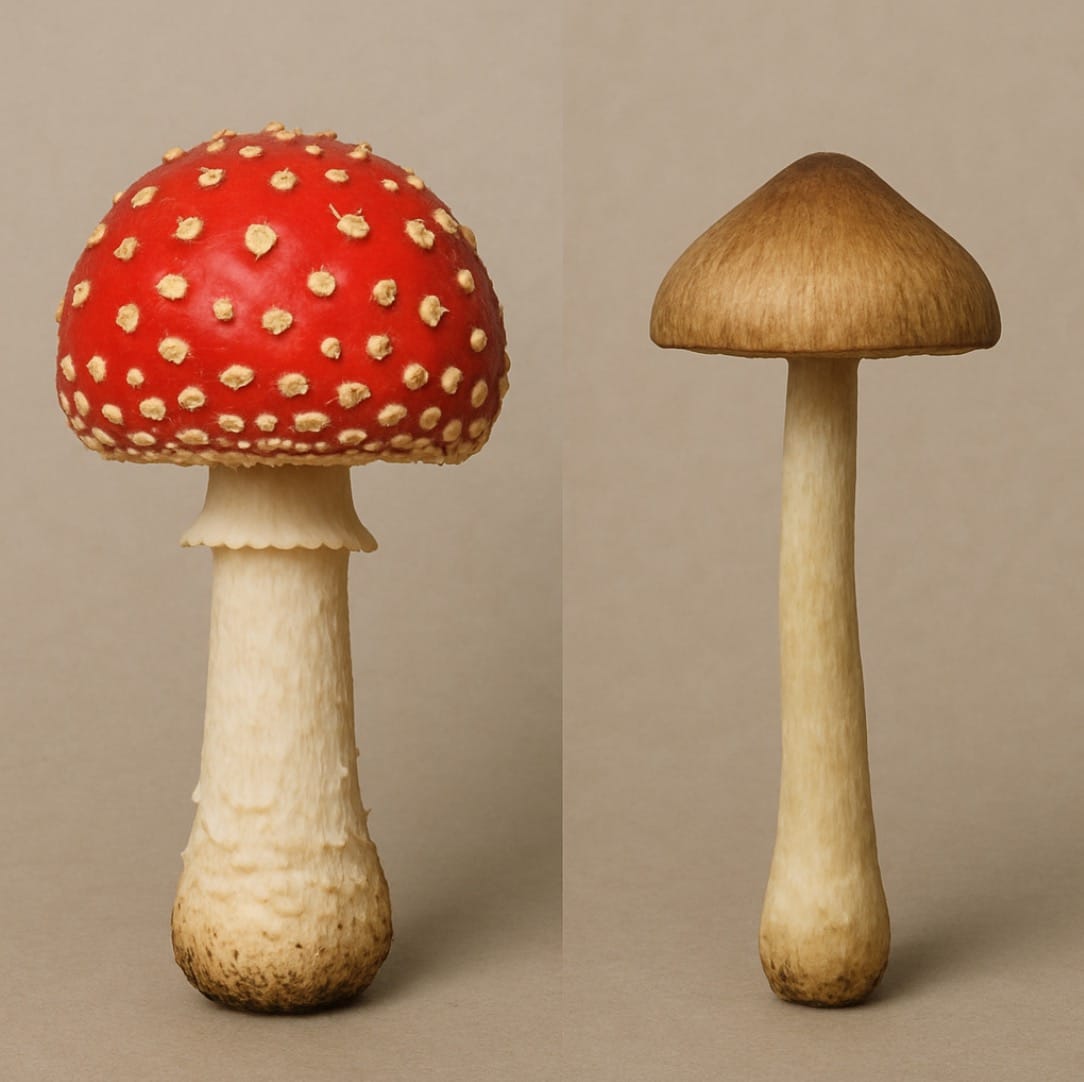
You might assume all “trippy” treats on smoke shop shelves contain the same outlaw ingredient. In reality, comparing Amanita muscaria vs psilocybin gummies is like comparing two very different cousins. While classic magic mushrooms use illegal psilocybin, legal retailers rely on extracts from the iconic red-and-white Amanita mushroom.
Rather than delivering traditional visuals, these legal fungi depend on completely different active compounds. Manufacturers must carefully manage muscimol and ibotenic acid concentrations to safely produce their psychoactive effects. The raw mushroom contains harsh ibotenic acid, but careful processing converts it into muscimol. Muscimol acts as a deliriant—meaning it causes dream-like sedation and confusion—rather than a classic, mind-expanding psychedelic.
Consider these four differences to know exactly what you are buying:
- Mindset: Psilocybin heavily amplifies thoughts; muscimol causes spaced-out confusion.
- Energy: Classic mushrooms can stimulate the body; Amanita brings heavy, alcohol-like sedation.
- Visuals: Psychedelics create vivid, geometric patterns; deliriants produce hazy, dream-like distortions.
- Legality: Amanita is legally sold almost everywhere; psilocybin remains largely criminalized.
However, if your legally purchased gummy perfectly mimics that illegal psychedelic experience, you might be facing a dangerous bait-and-switch.
Beware the ‘Lab Shortcut’: The Hidden Risks of Synthetic 4-AcO-DMT
ACE Laboratory Testing on TRE House Magic Mushroom Gummies
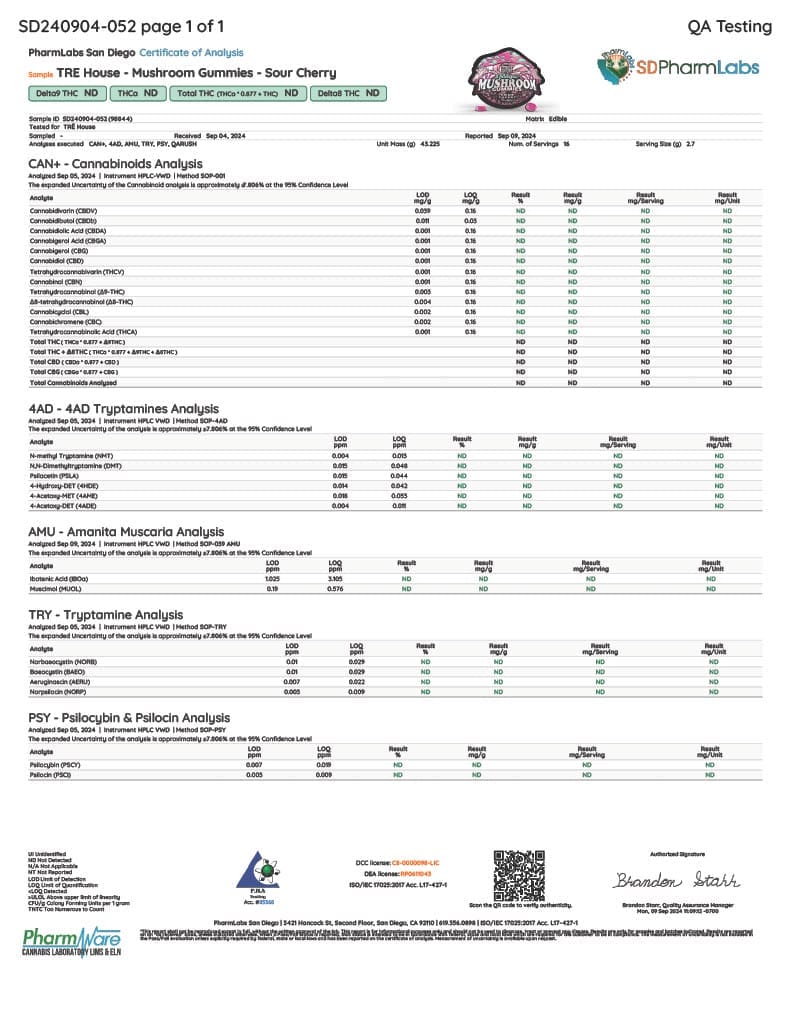
When a legal gummy delivers a surprisingly intense psychedelic experience, the secret ingredient usually didn’t grow in dirt. Many products marketed as magic mushroom gummies actually rely on hidden research chemicals rather than natural fungal extracts. Manufacturers use these lab-made shortcuts to bypass drug laws while still delivering a powerful trip, treating everyday consumers as unknowing test subjects.
The most common culprit is 4-AcO-DMT, an unregulated synthetic chemical designed to mimic illegal psilocybin. Scientists classify this additive as a “pro-drug,” meaning your digestion breaks it down into the exact same active compounds found in outlawed mushrooms. Because it is created in overseas laboratories rather than harvested from nature, the actual purity and dosage in your candy remain completely unknown.
Swallowing these unverified laboratory doses often leads to heavily unpredictable trips and adverse physical reactions. The dangers of synthetic tryptamines in gummies—the broader scientific family these artificial compounds belong to—stem entirely from this lack of basic safety testing. To disguise these synthetics, companies hide behind vague labels, making deciphering “proprietary blends” essential for separating harmless nootropics from potent psychoactives.
Deciphering ‘Proprietary Blends’: Separating Nootropics from Psychoactives
Seeing a “Proprietary mushroom blend” on a brightly colored package should immediately raise a red flag. Much like cheap energy drinks that mask their caffeine behind a secret “energy matrix,” manufacturers use this labeling loophole to hide exactly how much of each ingredient you are actually eating. To maximize profits, they pad the recipe with cheap nootropic ingredients—substances meant to mildly boost brain health rather than cause a trip. This clever marketing tactic intentionally blurs the line between functional mushrooms vs psychedelic mushroom compounds, leaving you entirely in the dark about the gummy’s true potency.
Decoding the ingredient panel is your best defense against overpaying for glorified candy. Brands often list exotic-sounding fungi to make the product appear premium, but these are usually just non-psychoactive fillers:
- Lion’s Mane: Added for basic focus, not hallucinations.
- Reishi: Included to promote everyday stress relief.
- Cordyceps: Used for a mild physical energy boost.
When a label conceals actual dosages behind a blended formula, you cannot trust the packaging alone. Instead, you must learn how to validate your purchase through independent lab testing.
How to Validate Your Purchase: A 3-Step Guide to Reading Lab Results (COAs)
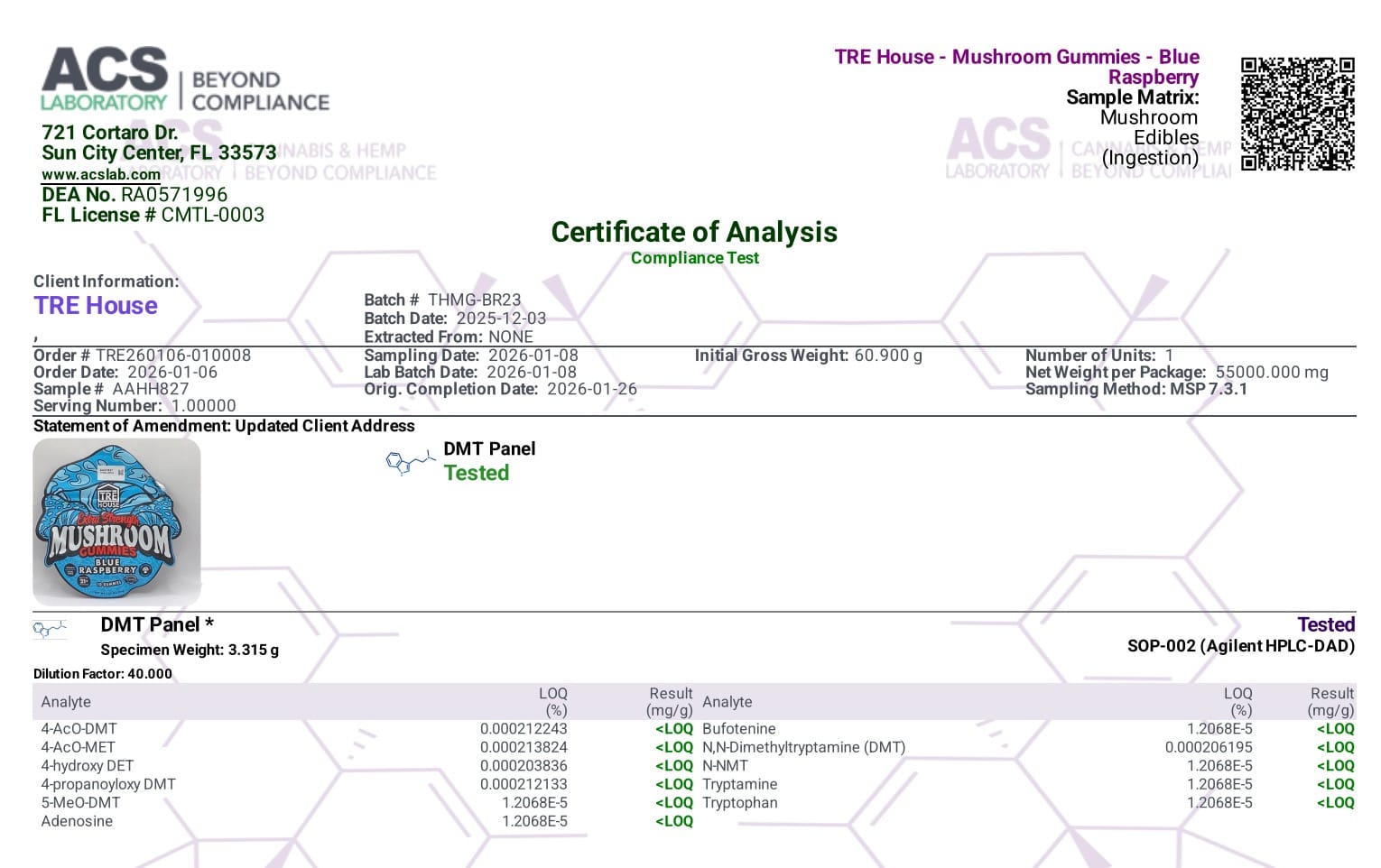
To truly verify mushroom gummy purity, you must look past the shiny packaging and demand a Certificate of Analysis (COA). Think of a COA as a product’s background check—an official report from an independent laboratory detailing exactly what is inside the edible. While brands might print vague marketing claims on their bags, third-party lab results for psychedelic edibles provide hard data for potency verification, proving whether the candy actually contains the advertised active ingredients.
Reading a certificate of analysis is easier than it sounds if you scan the paperwork for these three critical red flags:
- Missing potency numbers: The exact milligrams of active compounds must precisely match the package’s advertised dose.
- Failed solvent testing: Extracting ingredients often requires harsh chemicals, and the lab must verify no dangerous residual solvents remain.
- Unchecked contaminants: Because fungi act like natural sponges, the report must show a clean pass for heavy metals and pesticides.
Mastering this quick background check perfectly prepares you to transition from skeptic to informed buyer: your safe mushroom gummy action plan.
From Skeptic to Informed Buyer: Your Safe Mushroom Gummy Action Plan
The colorful bags at your local smoke shop are no longer mysterious candy. You now have the tools to navigate this unregulated market with clinical skepticism. Always verify third-party lab results to know exactly which chemicals you are consuming. If a brand hides behind “proprietary blends,” leave it on the shelf. Decoding these formulas protects you from the potential side effects of legal psychedelics, ensuring you aren’t caught off guard by unexpected synthetic compounds.
When exploring these products, patience is your ultimate safety protocol. Establishing a safe mushroom gummy dosage for beginners means starting with a fraction of the recommended amount and waiting to see how your body reacts. You are no longer guessing at hidden ingredients; you are an empowered consumer making informed choices. By prioritizing lab transparency and pacing yourself, you can explore this evolving trend confidently.