Key Takeaways
- Federal Status: At the federal level, psychedelic compounds found in many “magic” mushroom chocolates remain classified as Schedule I substances, making their sale and possession federally illegal.
- State vs. Local Laws: Legality varies dramatically by state and even by city. Some states and municipalities have decriminalized possession for personal use, but this is not the same as being legal for commercial sale.
- Decriminalized vs. Legal: “Decriminalized” typically means law enforcement treats possession as a low priority, often resulting in a fine instead of criminal charges. “Legal” means a regulated system for sale, possession, and use exists, which is still rare for psychedelic products.
- Functional vs. Psychedelic: Functional mushroom products (like those containing Lion’s Mane or Reishi) are legal nationwide and do not contain psychotropic compounds. Always check product labels and lab test results to understand what you are buying.
- Buyer Responsibility: The legal landscape is constantly changing. It is your responsibility to know and follow the laws in your specific location before purchasing or traveling with any mushroom chocolate products.
The interest in mushroom chocolate bars has surged, with people exploring them for everything from wellness to recreation. However, as we navigate 2026, the legal framework governing these products is a complex patchwork of federal, state, and local regulations. A crucial distinction exists between widely available functional mushroom chocolates and their psychedelic counterparts. The rules surrounding magic mushroom chocolate laws in the USA can be confusing, as what might be permissible in one city could lead to legal trouble just a town over. Before you
shop or travel, understanding these differences is essential. At Shroom Time, we believe in empowering our community with knowledge.
The Federal Snapshot: A Cautious Overview

From a federal standpoint, the legal status of psychedelic mushroom chocolates is straightforward but restrictive. The primary compounds that give “magic” mushrooms their psychotropic properties are considered Schedule I substances under the Controlled Substances Act. This classification means they are deemed to have a high potential for abuse and no currently accepted medical use in treatment in the United States.This federal prohibition has significant implications. It means that interstate shipping of psychedelic chocolate is illegal, regardless of the laws in the origin or destination state. Even if a city like Denver or Oakland has deprioritized enforcement, federal law enforcement agencies can still prosecute individuals for possession, sale, or manufacturing. Furthermore, these products are not regulated by the FDA, which means there is no federal oversight on their safety, purity, or dosage accuracy. This lack of regulation underscores the importance of sourcing from transparent brands that provide comprehensive third-party lab test results. While the conversation around these compounds is evolving, the federal stance in 2026 remains one of prohibition.
Navigating the State-by-State Labyrinth in 2026
The real complexity of mushroom chocolate bar legality unfolds at the state and local levels. The landscape is fluid, with laws and enforcement priorities that can shift rapidly. It is always best to consult the most current local regulations and our legal mumbo jumbo page for disclaimers. Here’s a general breakdown of how different regions are approaching the issue.
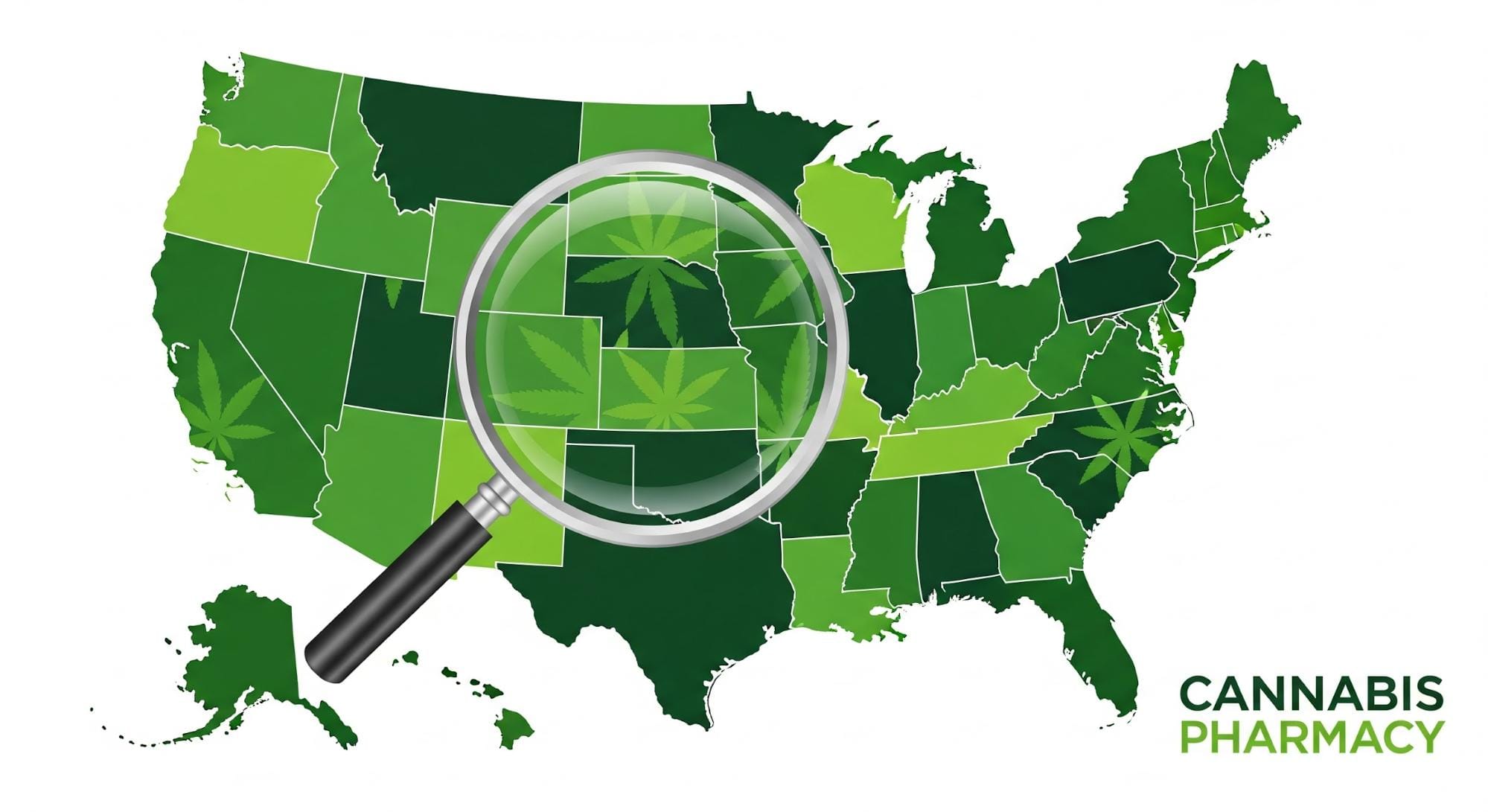
States and Cities with Reduced Penalties or Deprioritized Enforcement: A growing number of cities and a few states have taken steps to decriminalize psychedelic compounds for personal use. Oregon was a pioneer, decriminalizing personal possession and establishing a state-licensed therapeutic model. Colorado later followed suit, decriminalizing personal use and possession statewide. In other areas, major cities like Seattle, WA; Detroit, MI; and Washington, D.C., have passed measures that make personal possession and use among the lowest law enforcement priorities. It’s crucial to understand that this often applies only to possessing a small amount for personal use and does not create a legal market for buying or selling products like the best shroom chocolate bars of 2026.
States with Proposed or Limited Reforms: Several states are currently considering or have passed limited reforms. California, for instance, has seen multiple legislative efforts to decriminalize psychedelics, though a statewide framework has yet to be finalized. These states may be on a path toward broader reform, but for now, possession and sale remain largely illegal outside of specific research programs. The legal nuances here are similar to those seen in the cannabis market, where checking if THC is legal in my state is a necessary step for consumers.
States with Continued Prohibition: The majority of states still treat psychedelic mushrooms and their derivatives as illegal controlled substances. In these locations, possession, sale, or manufacturing can lead to significant criminal penalties, including fines and jail time. There is no legal protection for personal use, and a person buying shroom chocolate legally is not a possibility. In these states, consumers may want to explore fully legal alternatives like our CBD + Delta-9 products.
Buying “Legally” vs. “Decriminalized”: A Critical Distinction
One of the biggest sources of confusion is the difference between “decriminalized” and “legal.” Understanding this is key to avoiding potential legal issues.
- Decriminalized: This means that the criminal penalties for possessing small, personal amounts of a substance have been reduced or eliminated. It is often treated like a minor traffic ticket. However, it does not mean you can legally buy or sell the substance. The market remains unregulated and illicit. Gifting may be permitted in some decriminalized zones, but commercial sales are not.
- Legal: This implies that a state-sanctioned regulatory system is in place. This system governs how a product is manufactured, tested, and sold, often through licensed dispensaries. As of 2026, a widespread legal retail market for psychedelic chocolates does not exist outside of very specific, licensed therapeutic programs in states like Oregon.
Online retailers may ship products across state lines, but this practice carries significant risk for the buyer, as it violates federal law. The responsibility ultimately falls on the consumer to verify their local jurisdictional rules before making a purchase. For more information, you can always check our
FAQ page.
Functional vs. Psychedelic Chocolates: Know What You’re Buying
The term “mushroom chocolate” can refer to two very different product types. It’s essential to read labels carefully.
- Functional Mushroom Chocolates: These products are made with non-psychoactive, adaptogenic mushrooms like Lion’s Mane, Reishi, Chaga, and Cordyceps. They are legal throughout the United States and are consumed for their potential wellness benefits, such as supporting focus, immunity, or energy. You can learn more about them in our blog.
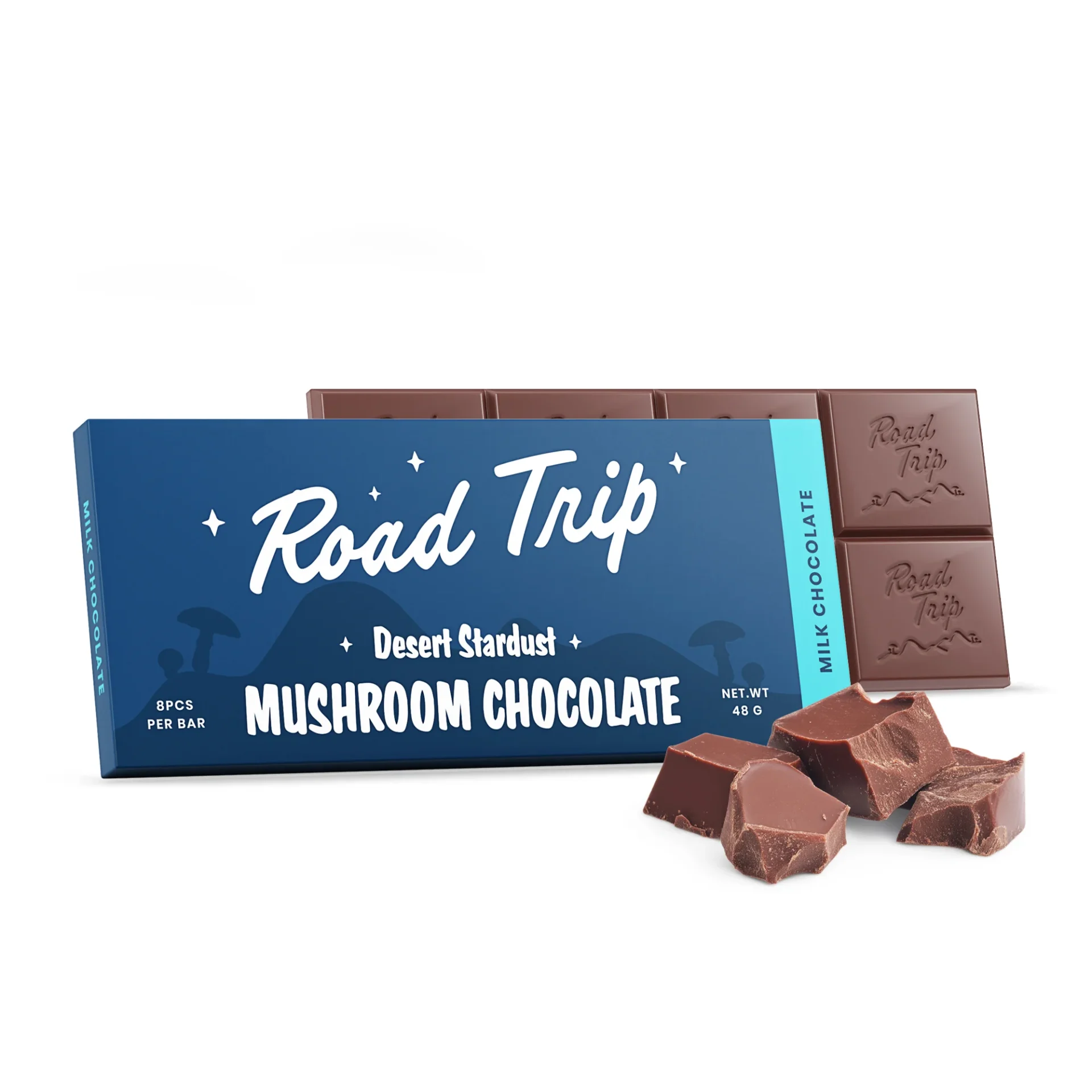
- Psychedelic (Magic) Mushroom Chocolates: These contain psychotropic compounds and are the subject of the legal restrictions discussed in this article. Products like the Tre House Chocolate Milk Mushroom Bar are intended to produce psychedelic effects. Discerning the difference between magic mushroom chocolates vs. shrooms themselves can also be important for understanding effects.
Reputable sellers will clearly distinguish between these categories. Misleading labeling is a risk in an unregulated market, reinforcing the need to buy from trustworthy sources.
The Importance of Safety, Testing, and Transparency
In a market with little to no federal oversight, safety and transparency are paramount. A responsible brand prioritizes consumer well-being by taking specific steps that you should look for. First, always seek out products backed by third-party lab testing. These independent reports verify the product’s contents and purity, ensuring it is free from contaminants.Second, clear ingredient lists and accurate labeling are non-negotiable. You should know exactly what is in your product and in what amounts. User reports on effects can vary widely depending on the ingestion method and the individual, so transparent information is key. Finally, consider the brand’s reputation. A company with a clear story, positive reviews, and a commitment to quality manufacturing, like we have with our manufacturer, is more likely to provide a reliable product.
Charting Your Course with Confidence
The world of mushroom chocolate is exciting, but the legal landscape requires careful navigation. As laws continue to evolve in 2026, what’s accepted in one community may not be a few miles away. Always prioritize your safety by staying informed about your local regulations and choosing transparent brands that value quality and testing. Your wellness journey should be one of confidence and clarity.Have more questions about finding compliant and tested products available in your area? Our expert team is ready to help you explore your options—
give us a call today.













 From a federal standpoint, the legal status of psychedelic mushroom chocolates is straightforward but restrictive. The primary compounds that give “magic” mushrooms their psychotropic properties are considered Schedule I substances under the Controlled Substances Act. This classification means they are deemed to have a high potential for abuse and no currently accepted medical use in treatment in the United States.This federal prohibition has significant implications. It means that interstate shipping of psychedelic chocolate is illegal, regardless of the laws in the origin or destination state. Even if a city like Denver or Oakland has deprioritized enforcement, federal law enforcement agencies can still prosecute individuals for possession, sale, or manufacturing. Furthermore, these products are not regulated by the FDA, which means there is no federal oversight on their safety, purity, or dosage accuracy. This lack of regulation underscores the importance of sourcing from transparent brands that provide comprehensive third-party lab test results. While the conversation around these compounds is evolving, the federal stance in 2026 remains one of prohibition.