














If you’ve ever held a bag of mushroom gummies in your hand and thought, “Is this actually a good idea?”—you’re not alone.
Between wellness marketing, legal shrooms hype, and real gaps in regulation, it’s hard to tell what’s a thoughtful formulation and what’s a gamble. This guide is meant to give you a clear, no‑nonsense look at where mushroom gummies can make sense and where you should pause.
Not All Mushroom Gummies are Doing the Same Thing
Before you can talk about safety, you have to sort out what kind of product you’re dealing with. ‘Magic mushroom gummies cover a few very different categories:
- Functional mushroom gummies – made with non‑psychoactive mushrooms like lion’s mane, reishi, chaga, turkey tail, or cordyceps. These are marketed for focus, mood, immunity, or general wellness.
- Psychoactive or “trippy” gummies – designed to change perception or create a drug‑like experience, sometimes using species like Amanita muscaria or other less familiar compounds.
- Mystery “legal shroom” candy – flashy packaging, vague or undisclosed ingredients, and big promises, often sold in gas stations or smoke shops.
They may all be chewy and fruit‑flavored, but they don’t carry the same risk profile. Knowing which lane you’re in is the first safety step.
Where Functional Mushroom Gummies Usually Land on the Safety Spectrum
Functional gummies — the ones built around lion’s mane, reishi, and other non‑psychoactive mushrooms—are typically treated more like supplements than party favors.
For most healthy adults, standard serving sizes are considered low‑risk and generally well‑tolerated.
A few good rules still apply:
- If you’re allergic to mushrooms, this category is off the table.
- If you’re pregnant, breastfeeding, on meds, or managing a medical condition, talk with a healthcare professional first.
- Start with the suggested serving and give it a little time; these aren’t energy shots, and effects (if you notice them) tend to be gradual.
With functional blends, the real safety question is less “will this make me see things?” and more “did someone actually think through the formula, testing, and labeling?”
Where things get murkier—and riskier
The gummies that lean on words like trip, euphoric, or legal high live in a very different neighborhood. The concerns here aren’t just about intensity; they’re about clarity.
Red flags to watch for:
- You can’t easily tell which mushrooms are included or how much of each is in a serving.
- The effects being promised sound huge, but the ingredient list is tiny, vague, or “proprietary.”
- There’s no visible sign of third‑party testing or quality control.
When you’re dealing with products that can alter perception, not knowing what’s inside or how strong it is isn’t just annoying. It’s what turns a gummy from an interesting experiment into “why is my heart racing and what did I just take?”
Practical safety checks before you buy
No matter which type you’re looking at, a few simple filters can help you weed out the riskiest options:
- Can you read and understand the full ingredient list? If it doesn’t name actual mushroom species or uses only branding language, that’s a problem.
- Does the label spell out serving size and active amounts per gummy? You should know exactly what one piece is supposed to deliver.
- Is there any sign of testing? Even a basic statement about third‑party testing for identity and contaminants is better than nothing, especially for stronger formulas.
- Do the claims sound grounded? “Supports focus” or “helps you unwind” is one thing; promising to cure serious physical or mental health conditions or guarantee a life‑changing trip is another.
If a product fails those checks, it’s not worth finding out the hard way what’s inside.
So, are mushroom gummies safe for you?
For some people, a safer relationship with mushroom gummies means a daily functional gummy that quietly supports focus, mood, or stress as part of a broader wellness routine. For others, it might mean deciding that anything with murky labeling or heavy psychoactive promises just isn’t worth the risk.
The goal isn’t to scare you away from mushrooms altogether but to make sure that if you do bring them into your life, they’re showing up in a form that respects your brain, your body, and your right to know what you’re actually eating.
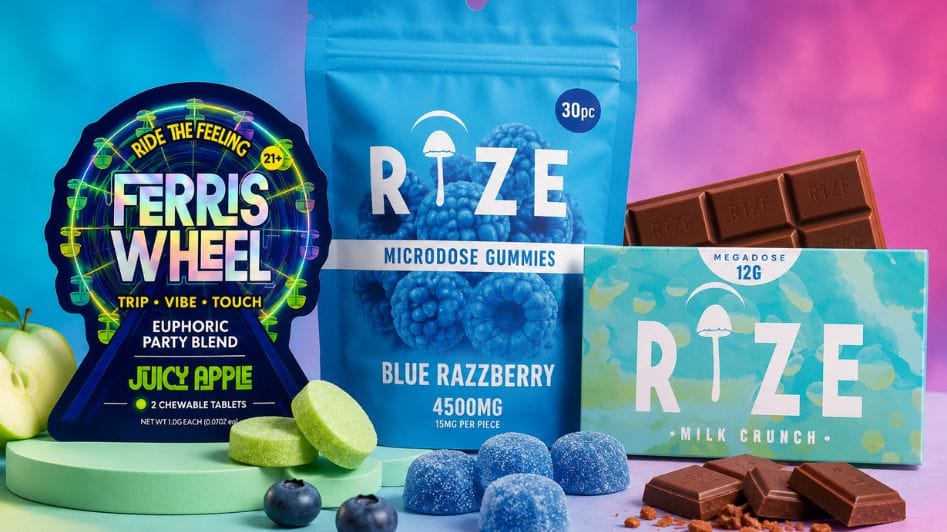
To learn more about non-psychedelic mushroom products, reach out to the team at Shroom Time, or shop our selection of mushroom gummies, party tabs, chocolate bars, and more today.